Deep sleep is one of the most important stages of sleep. During this phase, your body repairs tissues, supports immune function, releases growth hormone, consolidates memories, and restores energy for the next day. Yet many adults spend less time in deep sleep than they’d like.
While there’s no guaranteed way to increase deep sleep, research suggests that certain daily habits can improve your chances of getting more restorative sleep.
Here are some of the most effective strategies.
1. Lower Your Heart Rate Before Bed
One of the biggest obstacles to falling asleep is an activated nervous system. If your heart rate remains elevated from stress, exercise, work, or screen time, it can be harder for your body to transition into sleep.
Creating a consistent “wind-down” routine that lowers heart rate before bed helps signal that it’s time to rest.
Simple habits include:
Slow breathing
Reading
Gentle stretching
Limiting bright screens
2. Practice 4-7-8 Breathing
The 4-7-8 breathing technique has become one of the most popular breathing exercises for sleep.
Slow, controlled breathing can increase parasympathetic (“rest and digest”) activity while reducing physiological arousal. Many people find it helps quiet a racing mind and creates a smoother transition into sleep.
Just five minutes before bed can become a simple nightly ritual.
3. Try Contrast Showers Earlier in the Evening
Alternating between hot and cold water has become increasingly popular for recovery and resilience.
While cold water is stimulating during the shower itself, many people experience a sense of relaxation afterward as the body returns to its normal temperature. Finishing with cool water several hours before bed may help some people unwind, though individual responses vary.
If you’re new to contrast showers, start gradually and see how your body responds.
4. Journal Before Going to Sleep
Mental clutter often keeps people awake more than physical discomfort.
Spending just a few minutes writing down tomorrow’s tasks, worries, or things you’re grateful for can reduce bedtime rumination and make it easier to relax.
You don’t need a long journal entry—even a few sentences can help clear your mind before bed.
5. Keep a Consistent Sleep Schedule
Your circadian rhythm thrives on consistency.
Going to bed and waking up at roughly the same time every day—even on weekends—helps your brain know when to prepare for sleep and when to be alert.
Consistency is often more important than finding the “perfect” bedtime.
6. Get Morning Sunlight
Natural light shortly after waking is one of the strongest signals for regulating your internal clock.
Even 10–20 minutes outside in the morning can support a healthier sleep-wake cycle and improve nighttime sleep quality.
7. Exercise
Regular physical activity is consistently associated with better sleep quality.
Strength training, walking, cycling, and other forms of exercise can all contribute to deeper, more restorative sleep. Just be mindful that vigorous exercise immediately before bedtime may make it harder for some people to fall asleep.
8. Limit Caffeine Late in the Day
Caffeine has a relatively long half-life, meaning it can remain in your system for hours after you drink it.
If you struggle with sleep, try avoiding caffeine in the afternoon and evening to reduce its impact on falling asleep and overall sleep quality.
Looking for an Easier Way to Build These Habits?
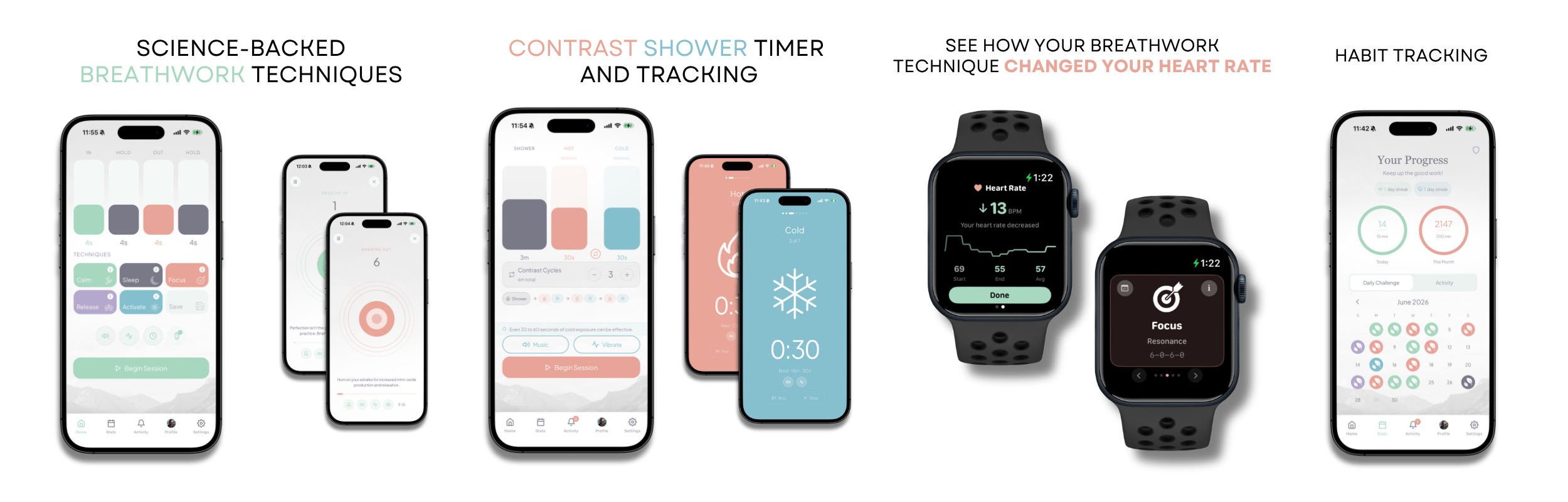
If you want guided tools to support better sleep, re-zen: Nervous System Reset brings many of these science-backed practices together in one app.
With guided 4-7-8 breathing, coherence breathing, box breathing, an Apple Watch companion app that lets you watch your heart rate change during sessions, a guided contrast shower timer, guided journaling, habit tracking, and progress calendars, re-zen makes it easier to build a bedtime routine you’ll actually stick with.